.png "Speego Vehicles Co. Pvt. Ltd.")

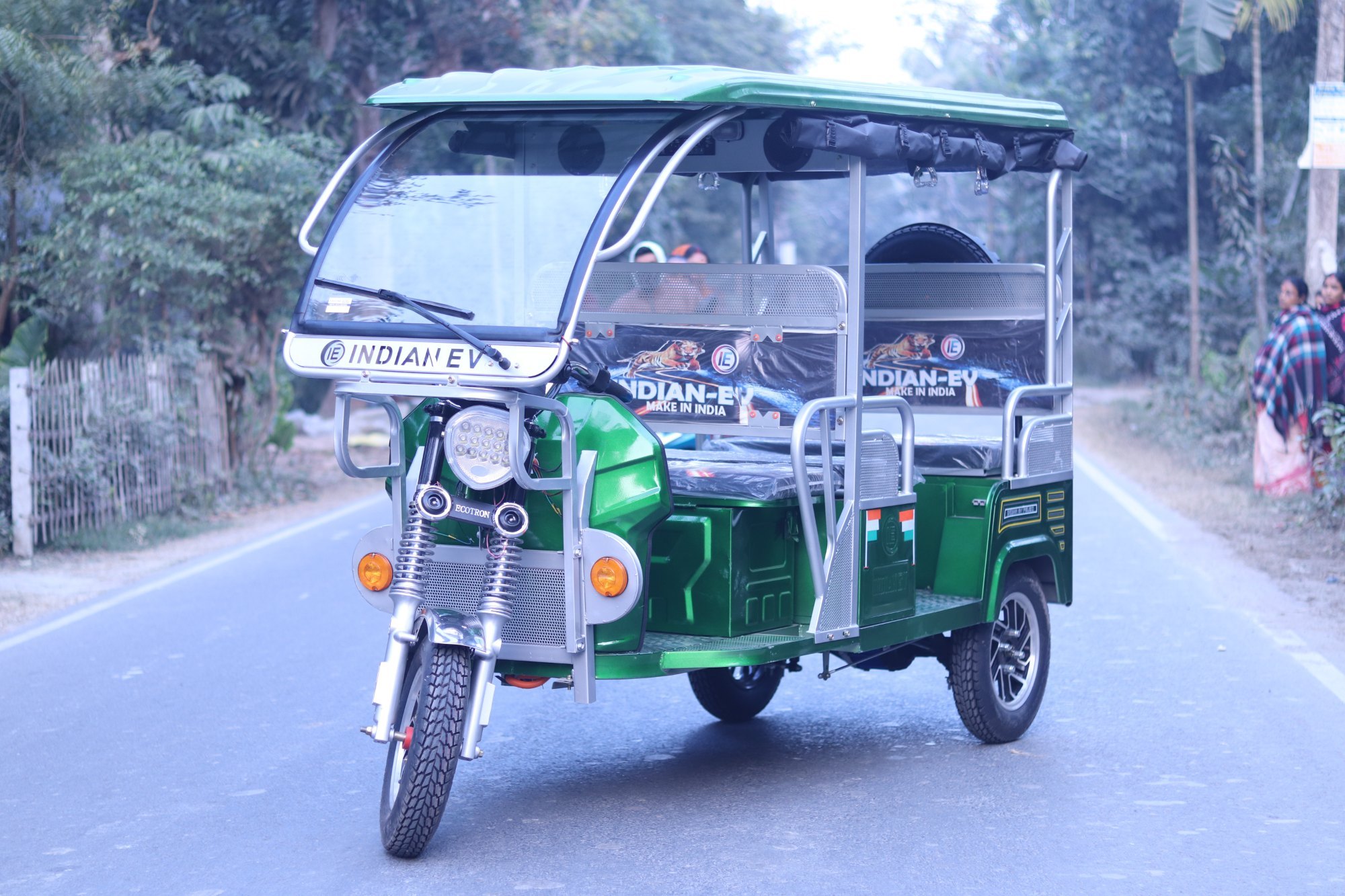
Electric mobility in India didn’t suddenly arrive one day. It crept in slowly. First around metro stations, then local markets, and now almost everywhere you look. E-rickshaws, in particular, have become so common that most people don’t even notice them anymore until they realise how dependent daily travel has become on them.
That’s also the reason buyers and transport operators are no longer choosing e-rickshaws casually. People want to know which are the best e-rickshaws in India, not just on paper, but in daily use. Price matters, yes, but so do durability, comfort, and how the vehicle behaves after months of running on real roads.
Why e-rickshaws work so well in Indian cities
Indian roads don’t forgive bad design. Traffic is unpredictable, fuel prices keep changing, and many areas simply aren’t built for large vehicles. In this setting, e-rickshaws fit naturally.
They are compact, easy to manoeuvre, and don’t rely on petrol or diesel. That single factor changes a lot for drivers. Daily expenses become more manageable, and earnings don’t fluctuate as sharply with fuel price changes. Their size also helps in crowded markets, narrow lanes, and residential colonies where traditional autos often struggle.
What actually makes one e-rickshaw better than another
From the outside, most e-rickshaws look similar. But anyone who has driven one for long hours knows the difference becomes obvious over time.
Build quality is usually the first thing operators notice. A stronger chassis handles rough roads better and lasts longer under daily stress. This matters especially for commercial use, where vehicles rarely get rest.
Battery performance is another deciding factor. When mileage drops or charging becomes unreliable, income takes a hit. Stable battery behaviour makes daily planning easier for drivers.
Load capacity also plays a role, particularly on busy passenger routes. A vehicle that handles weight comfortably feels more stable and puts less strain on components.
Maintenance is often the final deciding point. E-rickshaws are simpler machines. No engine oil, no clutch, fewer breakdowns. Over time, this simplicity saves money and reduces downtime.
Understanding the e-rickshaw price in India
The e-rickshaw price in India varies more than many first-time buyers expect. There are basic models meant for light use and stronger variants built for demanding commercial operations.
Experienced operators rarely go for the cheapest option. A slightly higher upfront cost often pays off through fewer repairs and better reliability. That’s why electric rickshaws designed for commercial use usually make more sense in the long run than entry-level models.
Performance in everyday conditions
Performance isn’t just about speed. On Indian roads, stability, braking, comfort, and handling matter much more.
A well-balanced e-rickshaw reduces driver fatigue and makes them feel safer during long working hours. For passengers, the ride feels smoother. For fleet owners, consistent performance means fewer breakdowns and less disruption to daily routes, especially on last-mile and feeder services, where timing affects earnings.
Choosing e-rickshaws for commercial operations
For businesses, the decision goes beyond the vehicle itself. Service support, spare part availability, and manufacturer reliability matter just as much.
This is why many operators stick with established e-rickshaw manufacturers or dependable electric rickshaw suppliers. Good after-sales support reduces operational risk and makes managing a fleet less stressful over time.
Their place in last-mile connectivity
E-rickshaws have quietly become the backbone of last-mile connectivity in many Indian cities. They link metro stations with homes, bus stops with markets, and offices with nearby transport points.
Because of this, electric rickshaws are now being included in urban mobility plans and sustainable transport discussions. Their ability to work efficiently in high-density areas makes them difficult to replace.
Electric rickshaws vs fuel-based autos
When you compare electric rickshaws with fuel-based autos in daily use, the difference isn’t theoretical; it’s practical. Electric rickshaws are quieter, cheaper to run, and easier to maintain.
Over time, these advantages translate into steadier earnings for drivers and lower operating costs for businesses. That’s why the shift toward electric options is happening gradually but steadily.
Final thoughts
E-rickshaws are not perfect machines, but they solve real problems. Rising fuel costs, congestion, and the need for affordable short-distance transport make them hard to ignore.
Choosing the best e-rickshaws in India ultimately comes down to understanding how the vehicle performs day after day, not just how it looks in specifications. As electric mobility continues to expand, well-built e-rickshaws will remain an important part of India’s transport system.